
![Li Jvula'al [Visitante] Inédito 2021 / Design Week México](https://cdn-blog-backend.tiendanube.com/blogs/019/c43/259/2d27ccea6a3fd867c1be8f9/covers/019d7962-42d9-7008-a202-a18dc9d7c348.jpg)
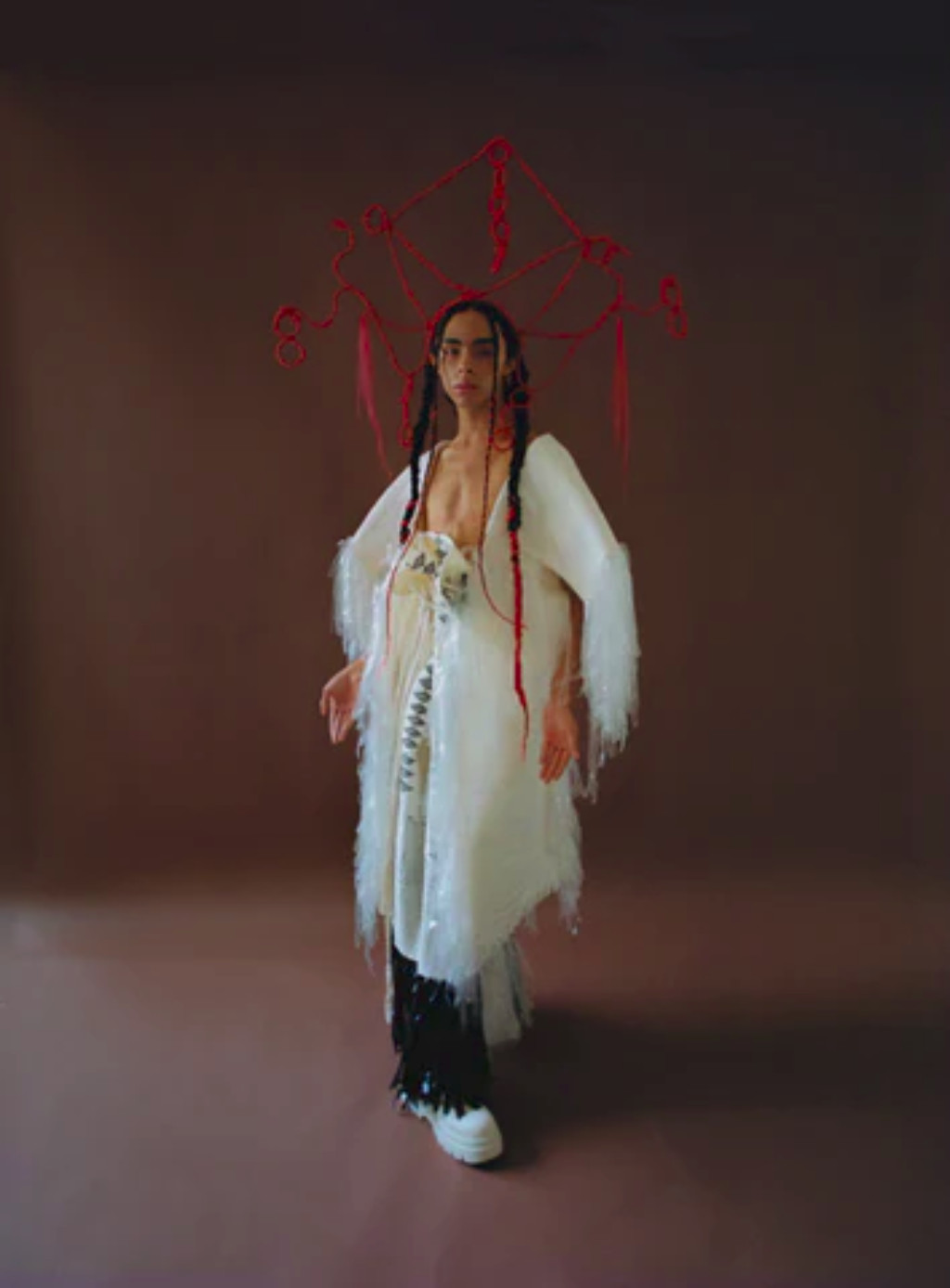
La moda siempre ha sido parte fundamental de las protestas y/o movimientos sociales, pues es una de las formas de expresión más inmediatas de cada individuo. Al conocer a una persona, incluso antes de escucharle, lo primero que ves es cómo va vestido, por eso, al diseñar cada pieza, le doy particular importancia a pensar, cuál es el mensaje que quiero que se transmita a través de mis diseños.
Y sucede que en algún momento se nos impuso que la moda y el lenguaje son espacios llenos de reglas y que la tradición siempre debe ir antes que la innovación, cuando la realidad es que ambos no son más que una expresión de arte y están en constante cambio y evolución, siendo que en el arte no deberían de haber muchas reglas, pues eso limita la creatividad. Con eso en mente presento mi diseño para Inédito 2021.
Li Jvula’al (la o el visitante) viene de la idea de romper paradigmas, pues a pesar de la oposición de muchos a la evolución del lenguaje, la inclusividad en él viene desde tiempos ancestrales, Li es un pronombre sin género de la lengua mayense tsotsil y se utiliza para referirse a cualquier persona sin distinción, eso es algo muy importante que quiero plantear en mi propuesta, un diseño genderless funcional para cualquier persona.
Por otro lado, cada prenda es un visitante durante una etapa de nuestra vida, con el paso del tiempo se deconstruye, y parte de nuestro deber es cuidarla y acogerla como a cualquier invitado en nuestra casa, o nuestro clóset en este caso. Al final del tiempo una prenda puede ser un Jvula’al (visitante) infinito, pues los recuerdos que tenemos con ella perdurarán, eso es parte de la experiencia que quiero transmitir.
Desde hace cinco años colaboramos con mujeres artesanas del grupo ANSETIK MOJEL AMTEJIK, en la localidad de Talonhuitz, en San Andrés Larráinzar, Chiapas
En estas colaboraciones busco crear vínculos que vayan más allá de la productividad, pues creamos lazos de amistad a largo plazo, y generamos un intercambio de conocimientos de manera horizontal y respetuosa, así logramos los mismos objetivos para un bien común.
Las dos piezas genderless diseñadas para Inédito exploran la relación que tenemos con nuestros residuos, especialmente con las bolsas de plástico y su uso excesivo en la vida cotidiana, pues también la escasez de sistemas para la recolección de basura en comunidades alejadas de la urbe, hacen que las personas busquen un medio para “deshacerse” de la basura y la única alternativa que encuentran es quemarla, provocando gases nocivos que les ponen en riesgo y a quienes habitan alrededor.
Se plantea una solución para transformar plásticos en prendas multifuncionales bajo la metodología zero waste las cuales en su elaboración no se producen desperdicios, con telas tejidas en telar de cintura y confeccionadas a mano, además de aplicar nuestra metodología de patronaje basada en el tradicional indígena, realizada a partir de rectángulos y cuadrados que se adaptan a cualquier tipo de cuerpo.
Colaboración realizada con María González, Elena de la Cruz y Martha Hernández. de Talonhuitz en San Andrés Larráinzar, Chiapas.
--------
Fashion has always been a fundamental part of protests and / or social movements, as it is an immediate and universal form of expression. When you meet someone, before you even have the chance to speak to them, the first thing you notice is how they’re dressed. This is the reason why when I design any piece, I think of the message I want it to convey.
What happens is that at some point, the notion that fashion and language are spaces full of rules and norms, and that tradition must always come before innovation, when in reality both of them are true expressions of art that are constantly changing, evolving and thus should not be limited by rules. Having this in mind I present my design for Inédito 2021.
Li Jvula'al (the visitor) comes from the idea of breaking paradigms, despite the opposition of many to the evolution of language, inclusiveness comes from ancient times. “Li” is a genderless pronoun of the Mayan language Tsotsil and it’s used to refer to anyone without distinction. This is something I’m raising awareness on with my proposal, a functional genderless design for everyone. On the other hand, during certain times in our life’s garments are “visitors”, this means the passing of time is deconstructed and part of our duty is to care for it, welcoming it, like any other guest in our house - or our closet in this case. At the end, a garment can become an infinite Jvula’al (visitor), because the memories we create with it last forever, that is part of the experience I want to convey.
Since five years ago, we had collaborated with artisan women from the group ANSETIK MOJEL AMTEJIK in the town of Talonhuitz in San Andrés Larráinzar, Chiapas. In these collaborations I seek to create links that go beyond production, creating long-term bonds of friendship, and generating a horizontal and respectful exchange of knowledge, leading us to achieve objectives for common good. The three genderless pieces designed for Inédito explore the relationship we have with waste, especially with plastic bags, their excessive use in everyday life, and the scarcity of systems for garbage recollection in communities outside of urban settings that lead to alternatives such as burning the material in order to “get rid” of it. This solution generates harmful gases that put the people of the community, and the environment, at risk. The solution we propose transforms plastics into multifunctional garments under the zero waste methodology. Utilizing handmade fabrics woven on backstrap loom and our patternmaking methodology that is based on traditional indigenous techniques that use rectangles and squares as a base and which can adapt to any body type.
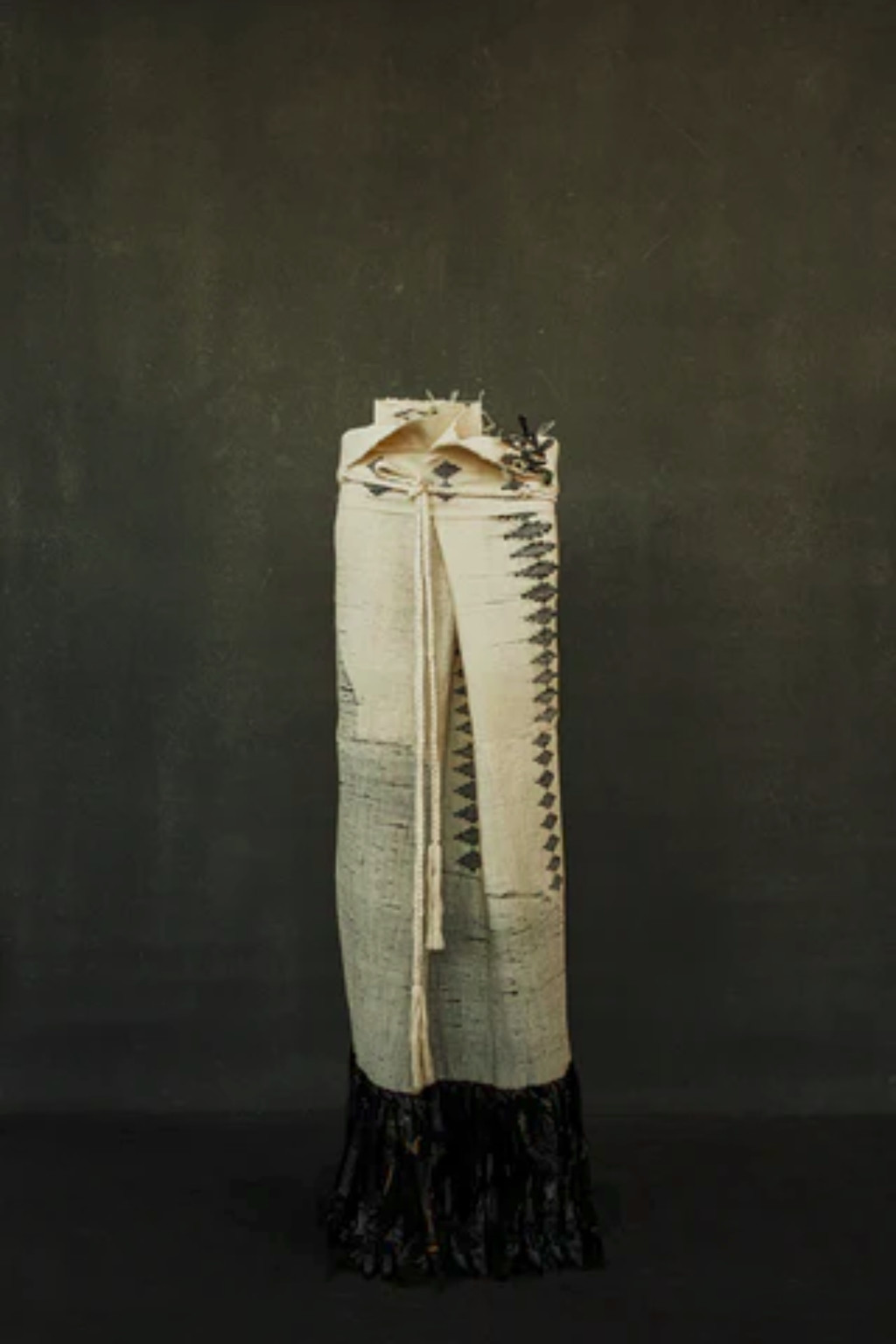
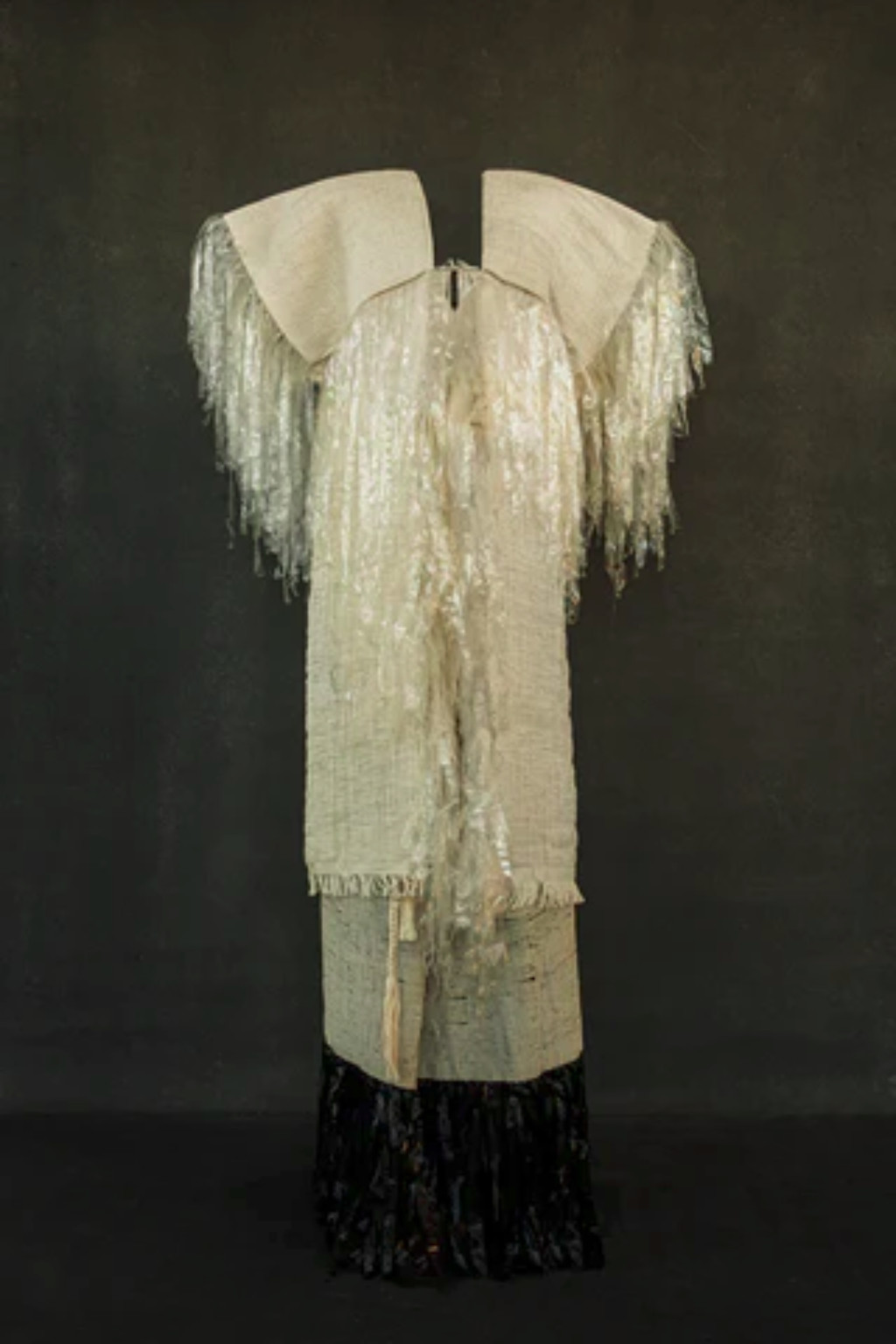
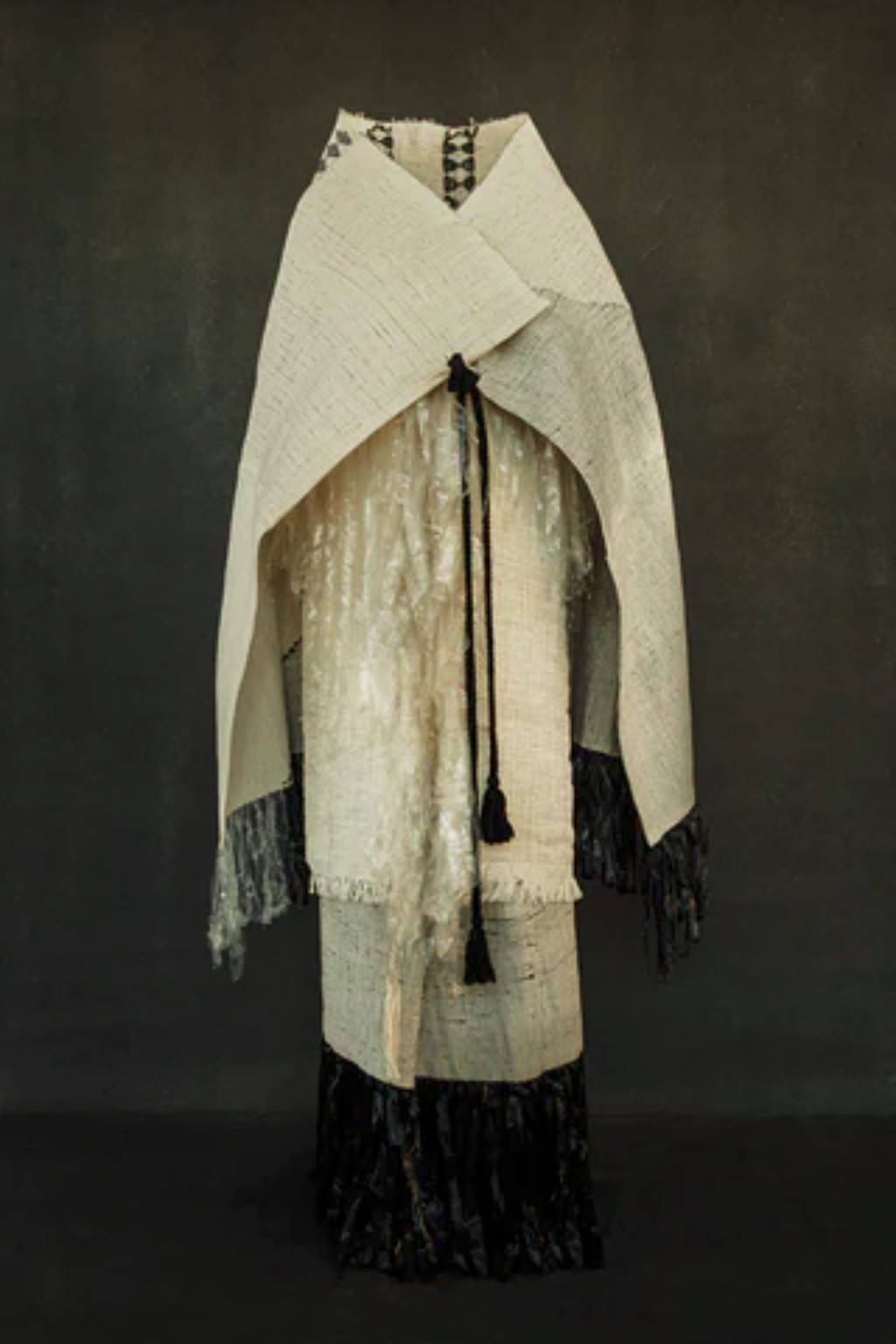
Fotos por Ricardo Chávez @regionmt
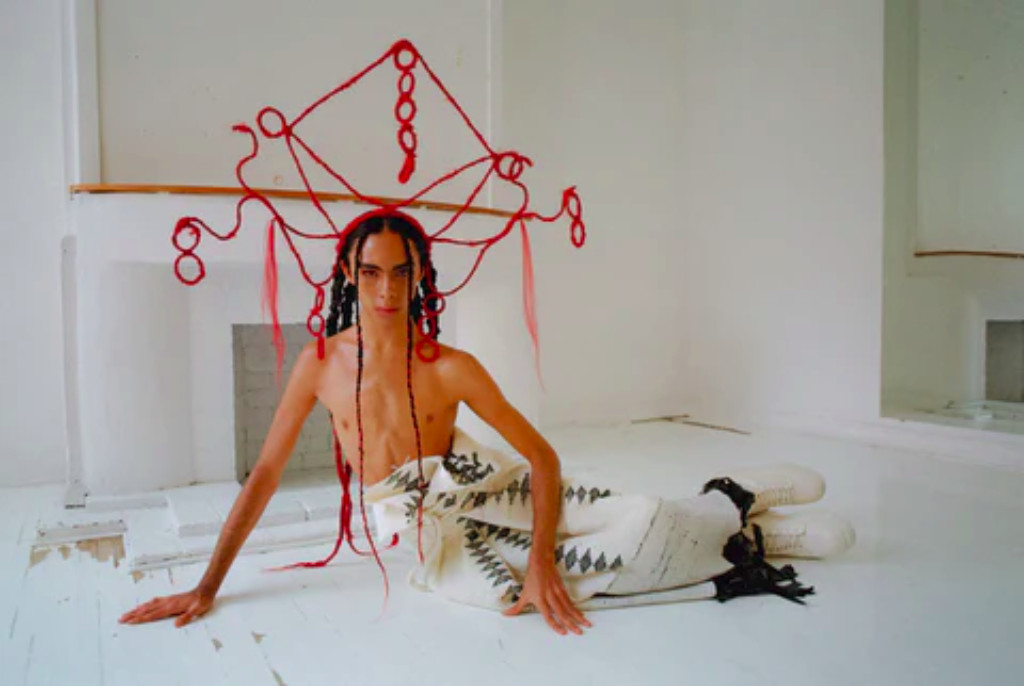
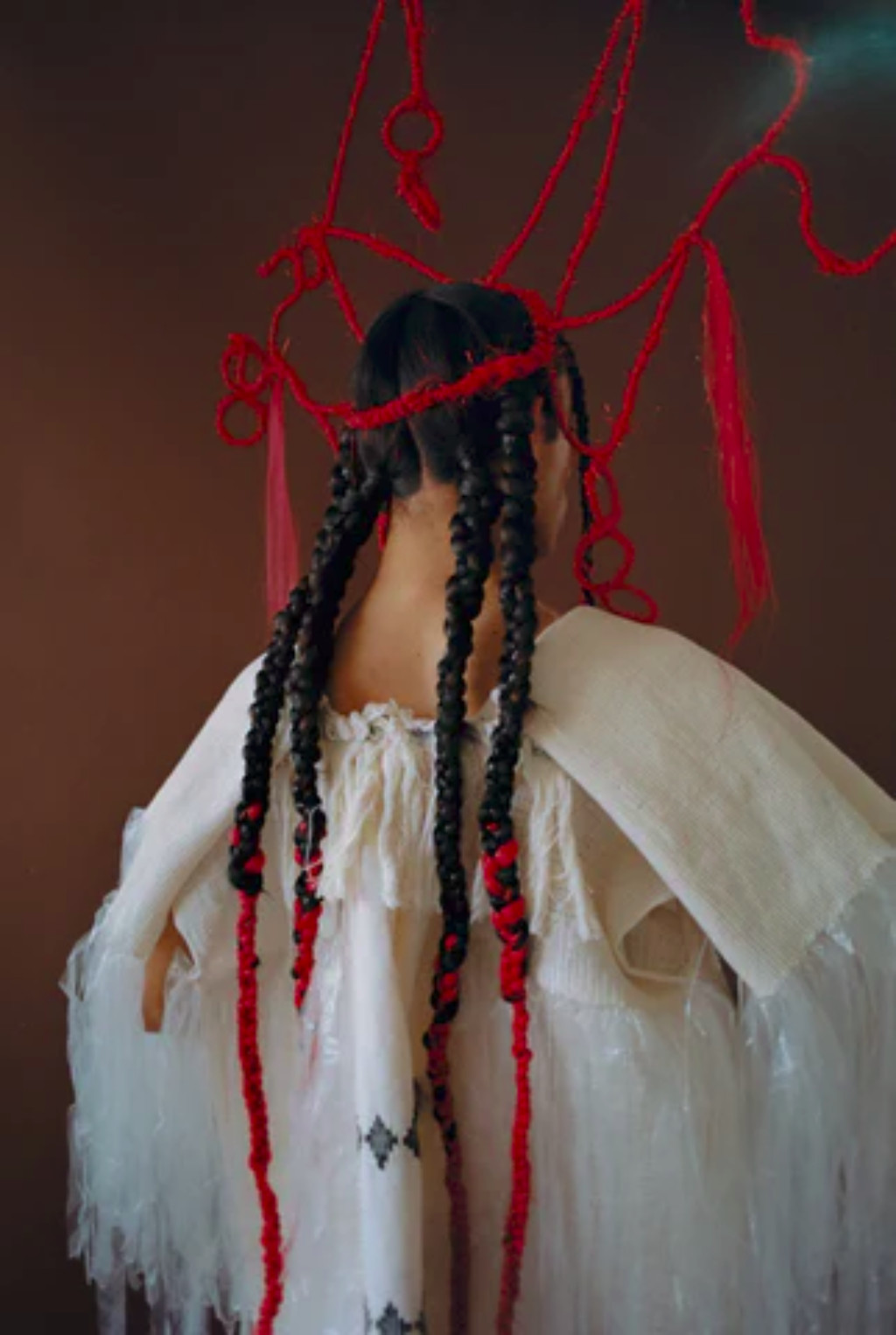
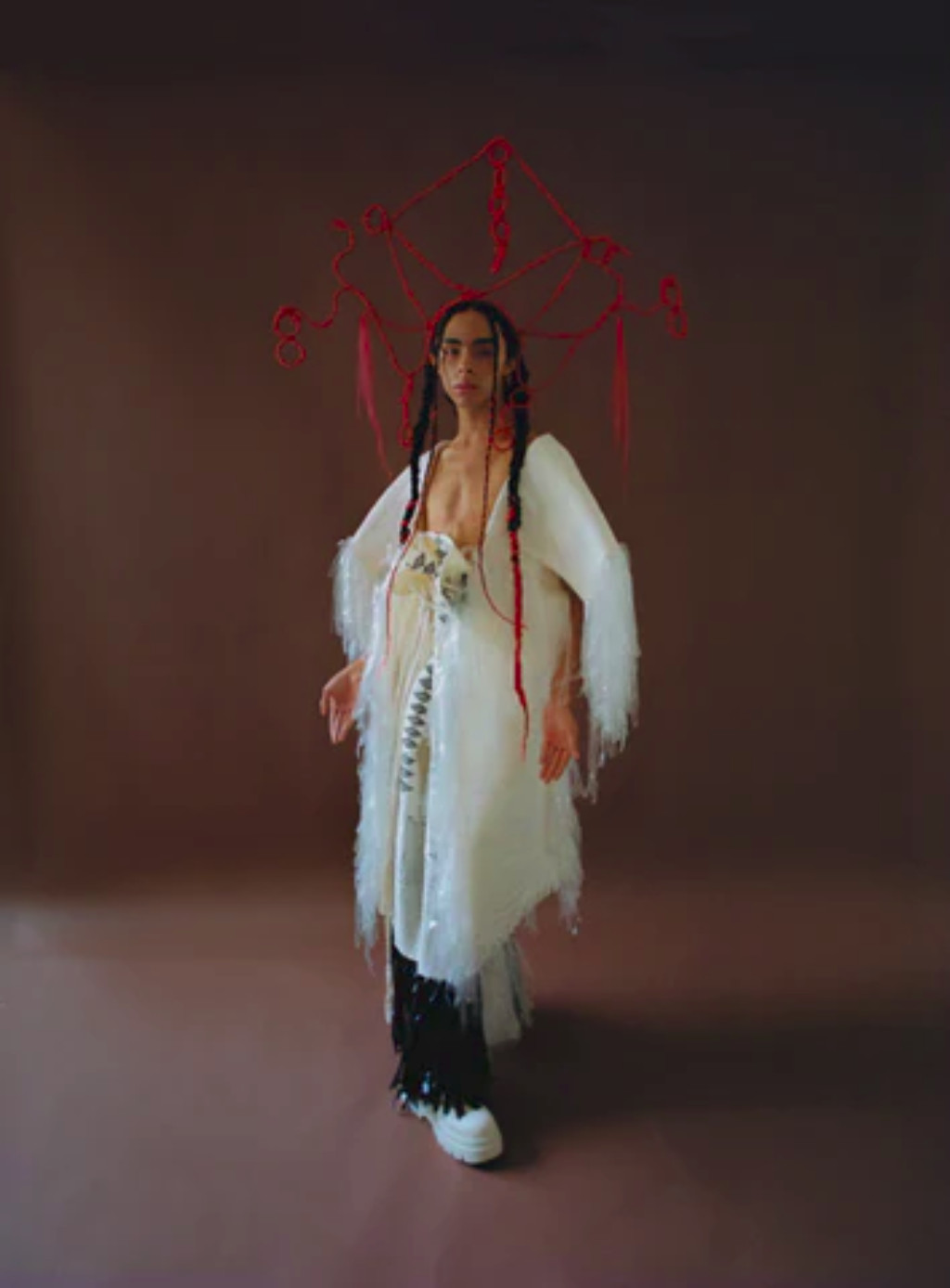
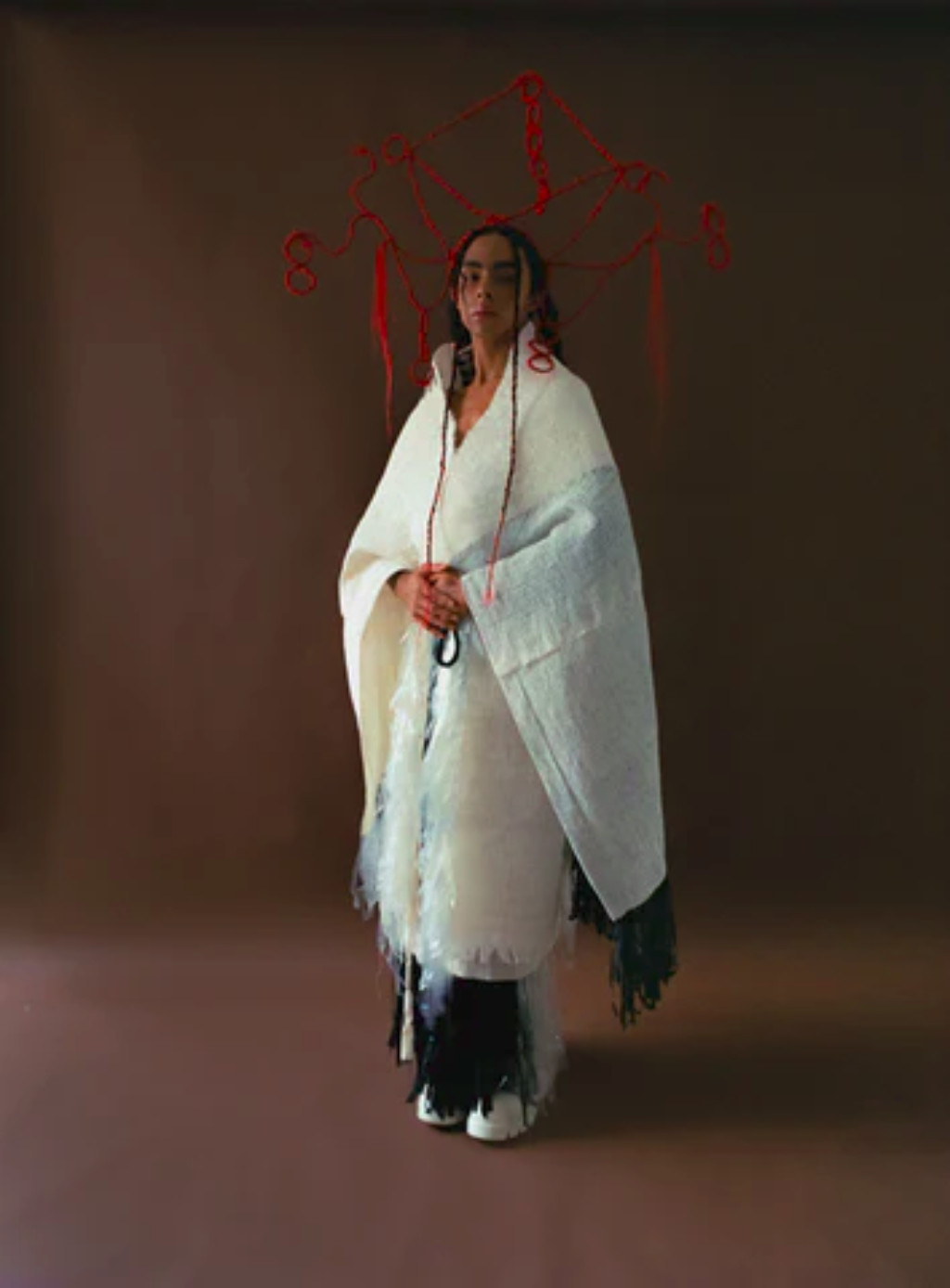
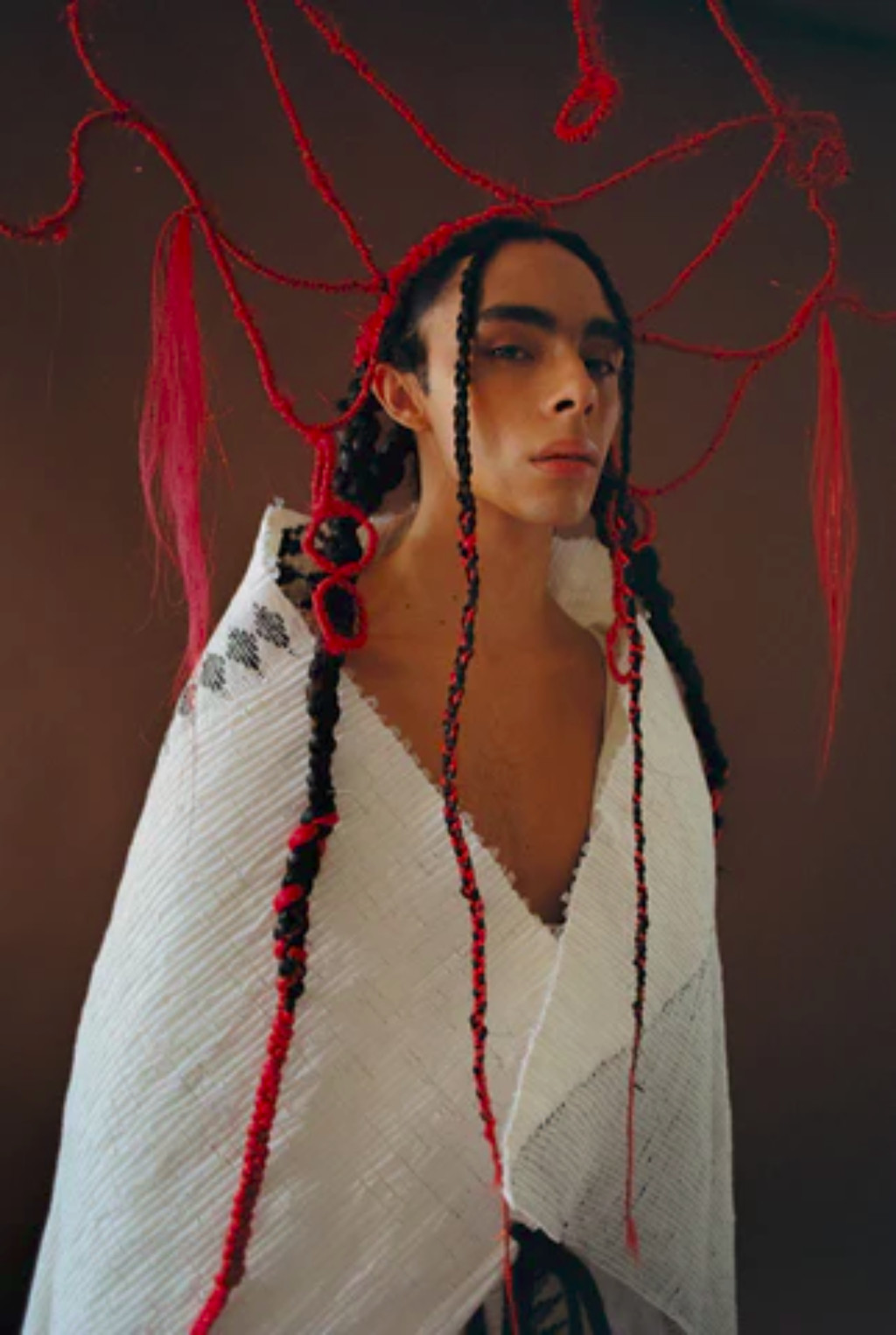
Editorial x Rodrigo Álvarez
Estilismo y dirección creativa Rodrigo Tenor
Modelo Huitzili Espinosa
Pelo Aldo Ek
MUA Rebeca Hernández
![[izq]](https://cdn-blog-backend.tiendanube.com/blogs/019/c43/259/2d27ccea6a3fd867c1be8f9/media/019d0c67-e1f6-7008-a081-45135e80ef2c.jpg)
![[izq]](https://cdn-blog-backend.tiendanube.com/blogs/019/c43/259/2d27ccea6a3fd867c1be8f9/media/019d0c6a-4fe8-7008-a081-4e4fea6a8982.jpg)